
Major Spotlight: Packaging Science
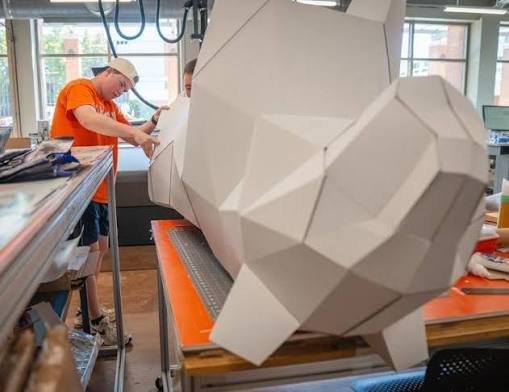
Clemson University's Packaging Science program is housed in the College of Agriculture, Forestry and Life Sciences and is one of only a few dedicated undergraduate packaging programs in the nation. If you’re looking for a dynamic, high-demand major that combines engineering, design, business, and sustainability, Clemson University’s Packaging Science program is one of higher education’s best-kept secrets. As one of only a handful of undergraduate packaging science degree programs in the entire United States, Clemson provides students with a specialized, hands-on education that prepares them to innovate in a global industry.
Here is a breakdown of what makes this program highly sought after and how to secure a spot:
Major Highlights & Student Opportunities
A Rare & Specialized Degree: Clemson offers one of the few dedicated undergraduate Packaging Science programs in the nation, making its graduates uniquely competitive in the job market.
Guaranteed Real-World Experience: To ensure career readiness, all Packaging Science students complete a required Cooperative Education (co-op) assignment within the packaging industry before graduating (a common favorite among students).
Industry Networking at PACK EXPO: Members of the student-run Packaging Science Club travel annually to the national PACK EXPO, connecting directly with leading companies, trade experts, and cutting-edge technology.
Accelerated Master’s Pathway: Eligible seniors can take advantage of an accelerated track by starting graduate coursework during their senior year, getting a head start on earning their master’s degree.
Emphasis Areas & Specializations
To tailor your degree to your specific career goals, you choose either an official minor or one of four core breadth emphasis areas:
Package Design & Graphics: Focuses on structural design, computer-aided drafting (CAD), visual branding, and printing processes.
Materials Science: Explores polymers, flexible films, biopolymers, glass, metals, and paperboard packaging performance.
Food & Healthcare Packaging: Focuses on barrier properties, sterile processing, medical device packaging, and extending shelf life.
Distribution, Transportation & Engineering Technology: Covers physical testing, protective design, vibration/drop resistance, and supply chain logistics.
Experiential Learning & Co-Op Requirement
Mandatory Co-Op: All Packaging Science students complete a required 6-month Cooperative Education (co-op) assignment with an active industry leader before graduating. This grants full-time paid professional experience while earning academic credit.
Hands-on Labs: Facilities include dedicated testing, prototyping, and material analysis labs equipped with industry-standard machinery.
Networking: The student-led Packaging Science Club travels annually to the PACK EXPO International conference to connect directly with global manufacturers and prospective employers.
Careers & Post-Graduation
Due to the niche, high-demand nature of packaging engineers across consumer packaged goods (CPG), pharmaceuticals, food processing, and tech manufacturing, placement rates for the program are consistently near 100%.
Common job titles include:
Packaging Engineer / Developer
Structural Design Specialist
R&D Packaging Scientist
Quality Control & Package Testing Manager
Supply Chain & Distribution Analyst
Whether you're interested in developing sustainable materials, designing eye-catching consumer packaging, or optimizing global supply chains, Clemson’s Packaging Science major delivers the hands-on experience, industry connections, and advanced academic pathways needed to stand out from day one.
If you’d like to discuss Clemson’s Packaging Science program or any packaging science program at the colleges on your list, let’s talk! Get in touch with me here: https://lesagecollegeconsulting.com/book
